 Credit: Lucas Gouveia / Android Police
 By
Mark Jansen
Published Jan 25, 2026, 11:15 AM EST
Mark has almost a decade of experience reporting on mobile technology, working previously with Digital Trends. Taking a less-than-direct route to technology writing, Mark began his Android journey while studying for a BA in Ancient & Medieval History at university. But since then, he's cast his eyes firmly on the future, with a deep love for anything that bleeps or bloops.
Outside of Android tech of all types, Mark loves to hike, play video games, build small plastic men that cost far too much, and spend time with his two daughters.
Sign in to your Android Police account
Add Us On
Summary
Generate a summary of this story
follow
Follow
followed
Followed
Like
Like
Thread
Log in
Here is a fact-based summary of the story contents:
Try something different:
Show me the facts
Explain it like I’m 5
Give me a lighthearted recap
By
Mark Jansen
Published Jan 25, 2026, 11:15 AM EST
Mark has almost a decade of experience reporting on mobile technology, working previously with Digital Trends. Taking a less-than-direct route to technology writing, Mark began his Android journey while studying for a BA in Ancient & Medieval History at university. But since then, he's cast his eyes firmly on the future, with a deep love for anything that bleeps or bloops.
Outside of Android tech of all types, Mark loves to hike, play video games, build small plastic men that cost far too much, and spend time with his two daughters.
Sign in to your Android Police account
Add Us On
Summary
Generate a summary of this story
follow
Follow
followed
Followed
Like
Like
Thread
Log in
Here is a fact-based summary of the story contents:
Try something different:
Show me the facts
Explain it like I’m 5
Give me a lighthearted recap
The internet is a wonderful place. It's a little evil in parts, sure, but on the whole, there's a decent argument to be made that it's had a broadly positive impact on the world.
But there's a huge presence that squats atop the internet, like a vast and bloated toad. Google.
Once a simple search engine, and a good one at that, Google has grown into a behemoth.
Now, in the form of Alphabet, it's the company behind the biggest search engine, the most widespread smartphone operating system, the most used map app, and much more.
It's not a far stretch to say Google is one of the most wide-reaching companies around. And now, it seems like it's set its eyes on becoming an 'everything app.'
 Related
Google says Personal Intelligence is private, but the reality is a privacy disaster
Related
Google says Personal Intelligence is private, but the reality is a privacy disaster
Personal Intelligence is a brazen attempt to harvest our data
Posts By Jon GilbertWhat is an 'everything app'?
 Credit: Jules Wang / Android Police
Everything apps aren't really a concept we have in the West, so you might need a little introduction to the idea before we start.
The idea of an "everything app" came into the widespread consciousness shortly after Elon Musk purchased Twitter and renamed it X.
One of Musk's most long-running desires is to create an everything app — in short, an app that contains just about everything you need for daily life.
Twitter provided a perfect platform for this to grow, or so Musk believed. Add a video platform, a private chat system, and a wallet app on top of the thriving social media elements, and you're off to a good start.
The reality wasn't so easy. But it's not as if Musk's idea is completely unheard of. While only really known in the West as "WeChat," the Chinese app Weixin is very much an everything app.
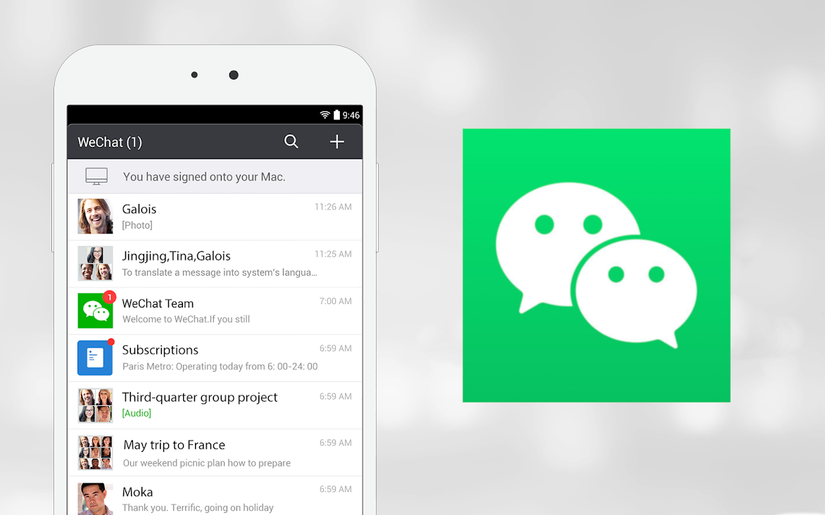
While largely just a messaging app in the US and Europe, and not a particularly popular one, in China, Weixin is the app.
There's the messaging system as the backbone, but it also includes social media, short-form video content, the ability to hold work meetings, small games, video and voice calls, and a fully-fledged financial system, including a digital wallet.
Nobody's left out either, since it has options to set it up for elderly users and even children.
Put simply, Weixin is an app you rarely have to leave. Because everything you need is right there. It's the app company's holy grail, and plenty of companies have tried it.
We don't really have anything like that — yet.
Many have tried, many have failed
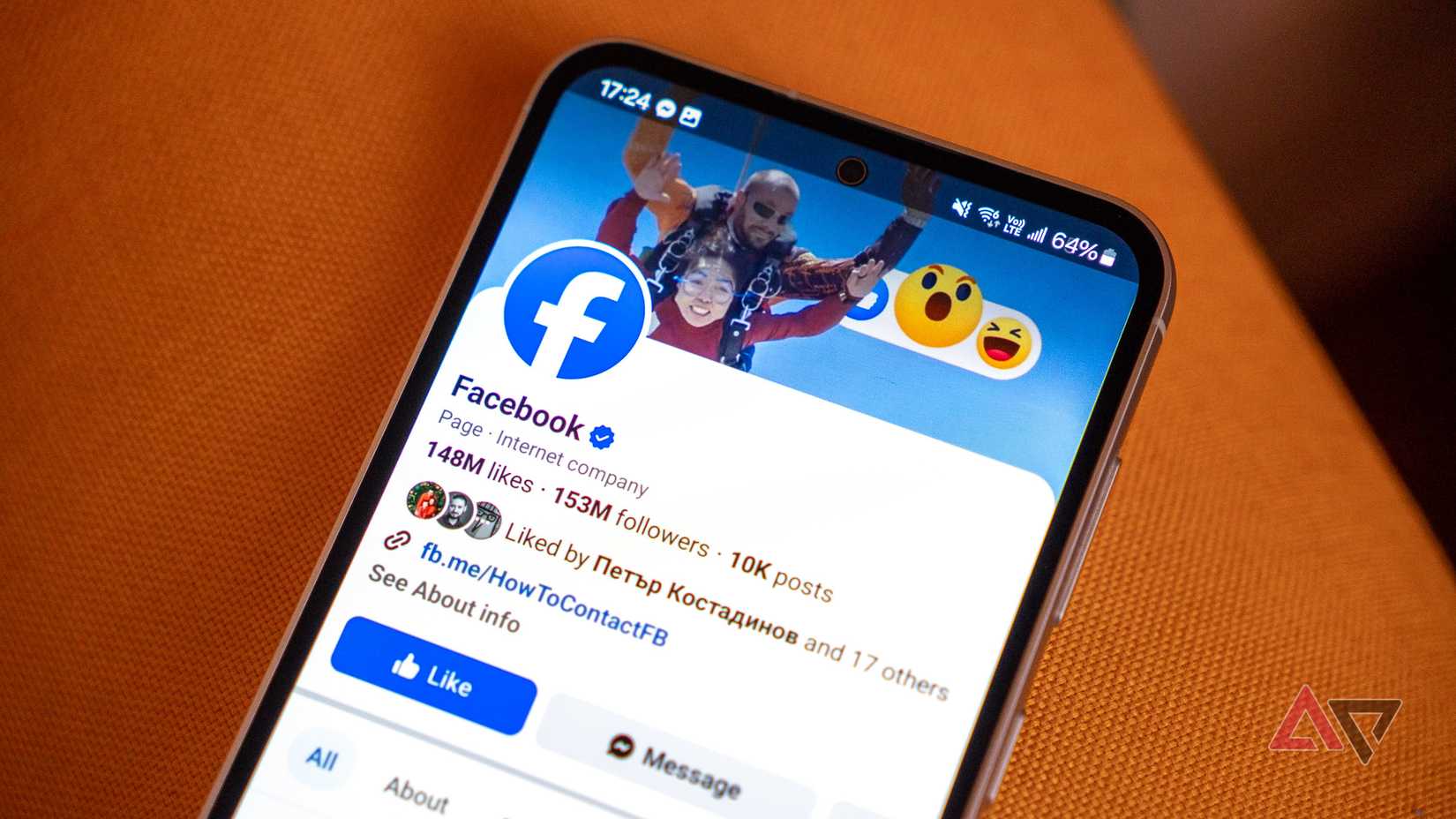
It's natural for big apps to want to expand and add new features. It keeps the users happy, and it keeps shareholders happy. But building an everything app is not easy.
It's easy to see that Meta tried. Like Twitter, it has a captive audience to build from, thanks to Facebook and Instagram.
And it already has a lot of the elements, like a popular messaging service (or two, if you include WhatsApp), short-form videos, images, and even small games.
But Meta Pay is basically unknown, and the less said about the Metaverse, the better.
I suspect OpenAI is going to try to become an everything app, and ChatGPT would make a good basis for one — but OpenAI's finances will likely hold it back from being able to do it before it most likely goes under.
But Google? I believe Google is honestly trying its hand at becoming an everything app. And it has a solid foundation for becoming one.
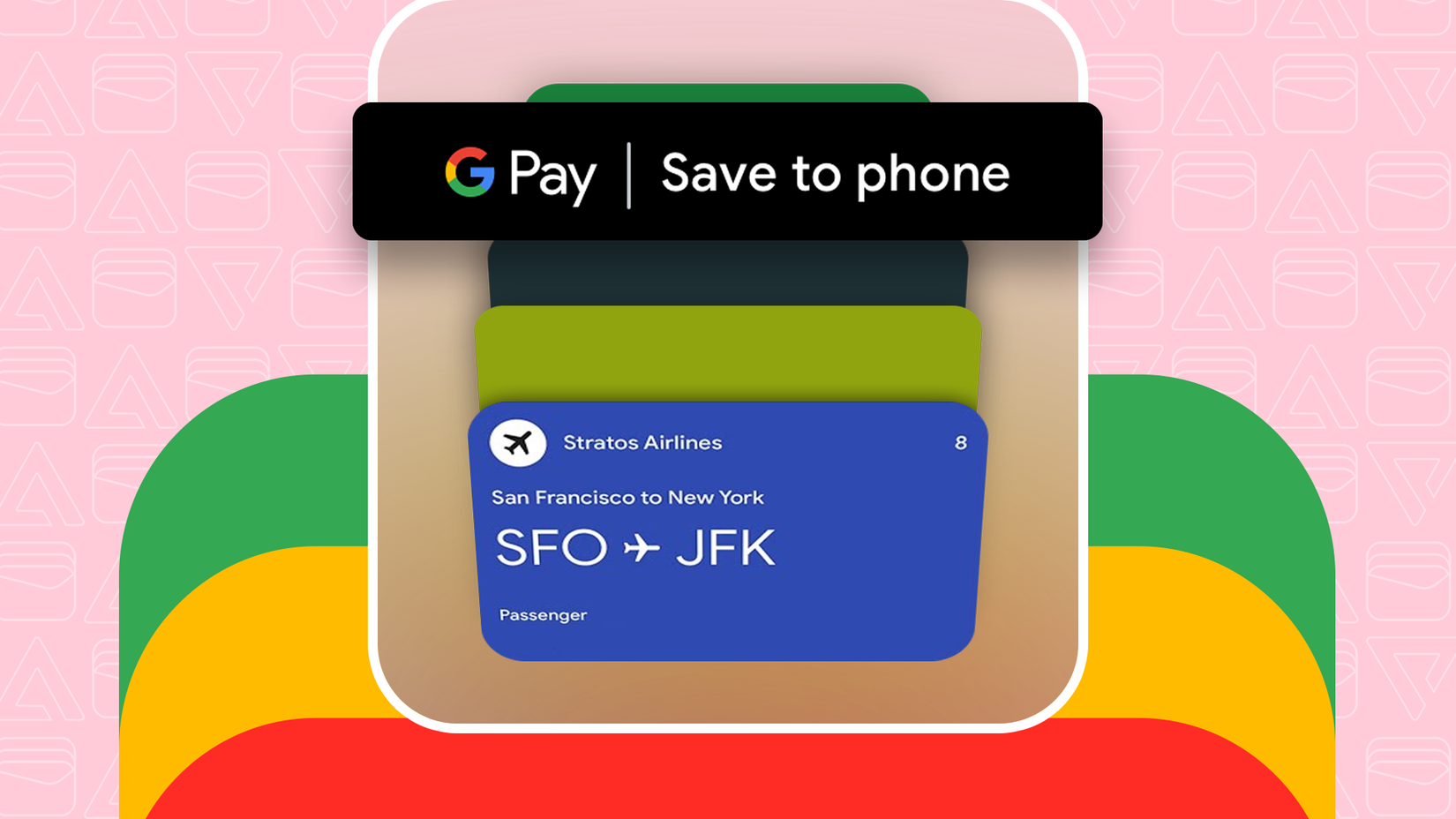
It has a chat service, emails, video calls, G Suite, Google Wallet, navigation, and even calls through Google Wallet. They're all independent of each other — but they don't have to be.
The Google app is woefully underused, considering everything else Google has going on.
But if Google found a way to weave all of its most popular services into the main Google app, well, that could become something special.
It could become the US's and Europe's version of an everything app.
The introduction of AI summaries into Google Search is already an obvious attempt to keep people on Google Search, instead of clicking off onto other websites.
And if Google manages to add the ability to buy straight from Search, like it seems to be aiming for, you'd have even fewer reasons to leave Google.
Google knows so much about you already. It knows where you live, what you like to buy, and what videos you like to watch. It even knows your payment card details.
Subscribe to the newsletter for everything-app analysis
Craving clear context about Google's push to become an 'everything app'? Subscribe to the newsletter for focused analysis and perspective on big-tech consolidation, platform power, and how these shifts shape digital ecosystems. Subscribe By subscribing, you agree to receive newsletter and marketing emails, and accept Valnet’s Terms of Use and Privacy Policy. You can unsubscribe anytime.The idea that it'll become a service you never need to leave, well, it's almost there already. And should we be happy about that?
Google already has too much power
 Credit: Lucas Gouveia / Android Police
Saying that Google has too much power is nothing new. But it feels like the last few years have really underlined quite how much power the company does have.
Search ranking on Google is make or break for a lot of businesses, and being penalized by Google is tantamount to a death sentence for most websites.
Changes to Google's ranking algorithm can also have a drastic impact on businesses, to the point where I'm comfortable saying most of the internet could be held ransom by the company.
Google owns the most used search engine in the world, the largest video sharing website in the world, the largest smartphone operating system in the world, and the Chrome browser.
It even owns Gemini, the AI that's becoming so good, even Apple has given up and is basing its next Siri off it.
Google has way too much power already. It's strange I have to make that argument about the company that's the gatekeeper to the internet, but I do, because this frog has been sitting in the pan for a long time now, and we all accept it as normal.
Is this really the company we want to run the US's first-ever everything app? We may not have a choice.
Our only hope is that the AI bubble popping slows Google down enough that it's not able to really cement itself in the dominant position.
Follow Followed Like Share Facebook X WhatsApp Threads Bluesky LinkedIn Reddit Flipboard Copy link Email Close Trending Now How to pair and use an Apple Watch with an Android phone
 Gemini app rolls out feature for faster answers
 What is Roblox? Navigate the popular game creation platform with ease